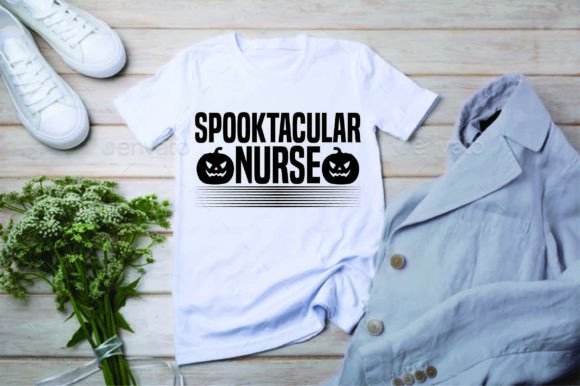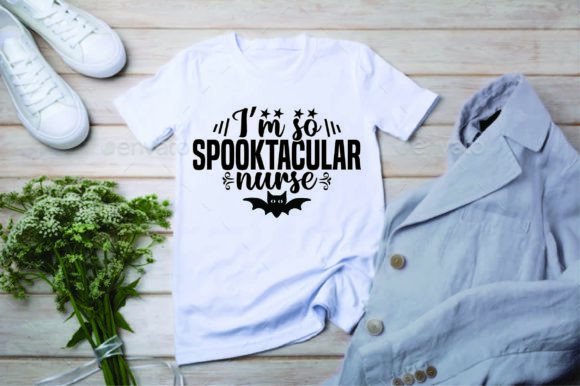
One Spooktacular NuHalloween Svg Design
A Nurse with Bite—Not Just Another Halloween Clipart
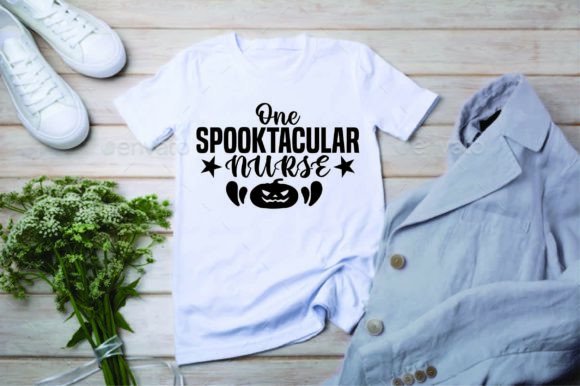
Let’s be real: Halloween embroidery files flood the market every August, but most feel like recycled candy wrappers—bright, loud, and forgettable by November. When I opened One Spooktacular NuHalloween Svg Design, I wasn’t expecting much beyond a quick “nurse + bat” mashup. What I got was something sharper: a confident, slightly cheeky nurse silhouette with stylized bat wings, a subtle cross motif woven into her collar, and just enough playful detail to read clearly at 3–4 inches tall—perfect for a custom embroidered tote bag or baby onesie.
First Impressions: Mood, Scale, and Embroidery Readiness
The design leans into warm spookiness—not scary, not cutesy, but knowingly clever. It’s built with clean vector lines, no jagged edges or over-rendered shadows. That matters. In embroidery, every curve translates to satin stitch flow; every corner becomes a potential thread break point. This one avoids tight interior angles and excessive negative space traps—meaning fewer stops, less rehooping, and smoother stitching on mid-weight cotton blends or fleece-backed sweatshirts.
Where It Shines (and Where It Needs Guardrails)
I tested One Spooktacular NuHalloween Svg Design across three real projects: a black cotton apron for a local café’s seasonal staff gift, a cream linen tea towel for a boutique holiday pop-up, and a navy baby romper for a pre-order run. On the apron? Crisp, legible, and instantly recognizable—even from across a crowded kitchen. On the tea towel? The simplified shape held up beautifully in a 100% fill-stitch version with light stabilizer. But on the romper? I scaled it down to 2.75 inches and added a lightweight cutaway stabilizer—otherwise, the wingtips blurred into softness on the thin knit.
- Tote bags & sweatshirt embroidery: Ideal size range (3.5–4.5"). Works well centered or angled on the chest pocket.
- Baby embroidery & nursery decor: Best at 2.5–3". Avoid ultra-fine satin borders on stretchy knits—opt for a running stitch outline instead.
- Embroidered patch & cap projects: Use only above 3" hoop size. Curved surfaces demand careful digitizing—this file isn’t pre-digitized, so plan for manual tweaks if stitching on caps.
- Dark fabric & layered garments: The bold silhouette reads strongly, but test thread color contrast first—navy thread on black fabric loses definition fast.
What the File Bundle Tells You (and What It Doesn’t)
The ZIP includes EPS, SVG, PNG, and DXF files—solid for versatility. SVG and DXF work cleanly in most embroidery software for manual digitizing; PNGs are great for printable mockups or Etsy listing visuals. But remember: this is a graphics file, not a machine embroidery design. There’s no stitch data baked in. If you’re an Etsy seller or small shop owner, you’ll need to digitize it yourself—or hire a digitizer—before stitching. That means checking stitch density, underlay strategy, and pull compensation, especially around the wing edges and cross detail.
Design Integrity in Real-World Use
Here’s what customers notice—and what they don’t say aloud but feel: A well-executed One Spooktacular NuHalloween Svg Design says “thoughtful handmade product,” not “mass-printed clipart.” It elevates a plain black tee into a conversation starter. It adds personality without cluttering a minimalist pillow cover. And because it’s nurse-themed—not generic witch or pumpkin—it resonates with healthcare workers, students, and allies during October, making it quietly meaningful, not just decorative.
That said, skip using it on high-wear items like dish towels or toddler bibs unless you reinforce with dense fill and quality threads. Tiny details—like the subtle cross—won’t survive 50+ wash cycles on low-density stitching. For commercial embroidery, always confirm licensing terms before selling finished products. The description doesn’t state usage rights, so assume personal and small-batch commercial use only unless clarified by the creator.
Practical Notes Every Embroidery Designer Should Run Through
- Test the design on scrap fabric matching your final product’s weight and stretch.
- Check thread color contrast on both light and dark backgrounds—try black, charcoal, and burgundy against cream and navy.
- Review stitch density in your digitizing software—avoid areas denser than 12,000 stitches unless your fabric and stabilizer can handle it.
- Confirm hoop size compatibility: this design scales well between 3" and 5", but avoid going smaller than 2.5" without simplifying fine elements.
- Inspect corners and interior cutouts in your vector preview—no hidden anchor points or overlapping paths that could confuse your software.
- Use proper stabilizer: tear-away for stable wovens, cutaway for knits or textured fabrics like terry cloth.
- Compare black-and-white mockups—does the shape hold up without color cues? With One Spooktacular NuHalloween Svg Design, it does.
Fitting Into Your Craft Business Naturally
If you sell on Etsy or stock a local boutique, this design fits neatly into seasonal collections without requiring a full rebrand. Pair it with coordinating fonts for tags or packaging (“Nurse Night Shift” or “Spooktacular Care”), and it becomes part of a cohesive story—not just another T-Shirt Designs download. As a digital embroidery file, it’s flexible: use it for physical goods, printable mockups, or even as a base for hand-drawn variations in your own design assets library.
For creative entrepreneurs building a craft business around meaning and execution, One Spooktacular NuHalloween Svg Design works best when treated like a solid sketch—not a finished blueprint. Respect its clean structure, support its details with smart digitizing choices, and let its quiet confidence do the rest. It won’t shout. But it will be remembered.