Medical Cartoon SVG: A Designer’s Real-World Embroidery Review
First Impression: Playful, Not Precious
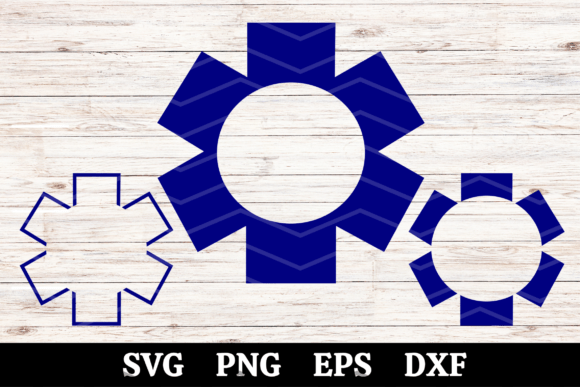
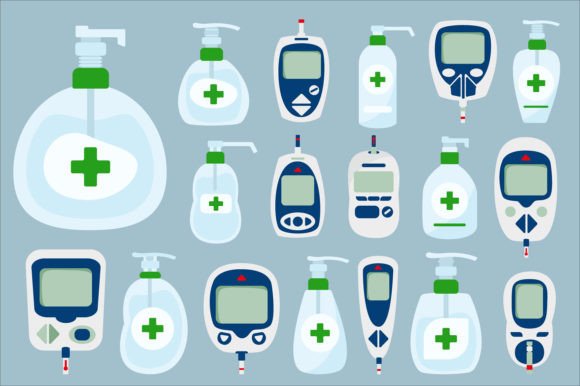
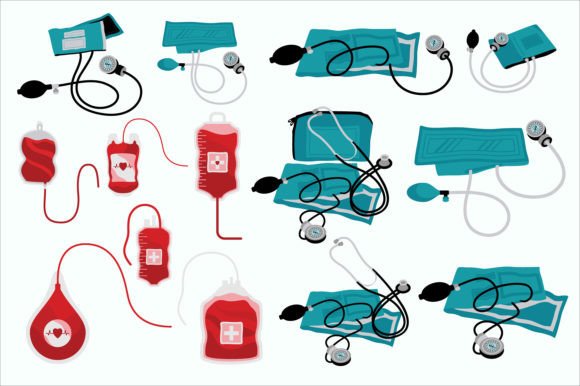
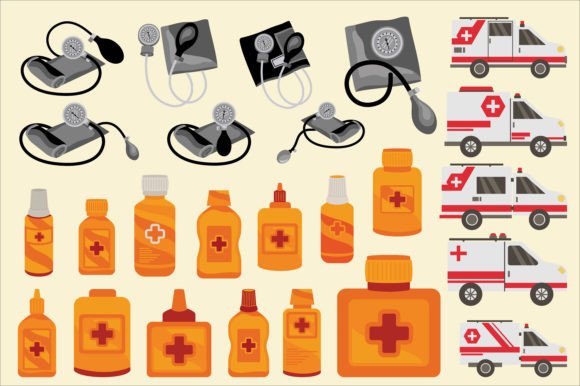
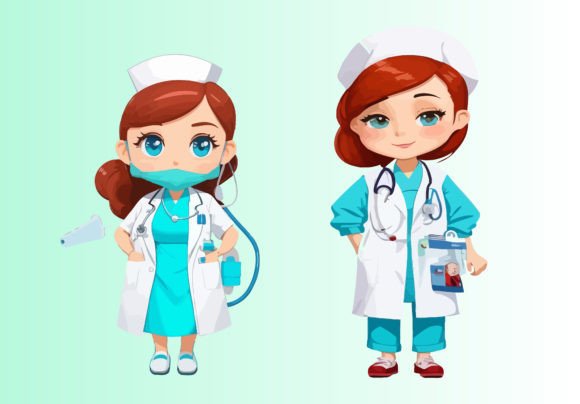
Opening the Medical Cartoon SVG file, I immediately felt its personality—light, approachable, and intentionally unclinical. It’s not a sterile vector of a stethoscope or a stiff anatomical sketch. Instead, it’s got rounded shapes, friendly line weight, and a gentle asymmetry that reads as hand-drawn, not algorithmic. As an embroidery designer who’s stitched everything from surgical symbols to cartooned heart monitors, I appreciate how this design avoids cliché while still landing firmly in the “medical-themed but warm” lane. It’s the kind of illustration that belongs on a pediatric nurse’s tote bag—not a hospital ID badge.
Real Project Test: Embroidering a Nurse-Themed Tote for a Local Clinic Gift Shop
Last month, I used Medical Cartoon SVG to create a custom embroidered tote for a small-town clinic’s staff appreciation day. The plan was simple: stitch it centered on a natural canvas tote, medium density, black thread on oat-colored fabric. But before hooping, I paused—this isn’t just a sublimation-ready graphic. It’s a machine embroidery design waiting to prove itself in thread and tension.
The layout held up beautifully: clean outer contours, no tiny interior islands that’d vanish in satin stitch, and generous spacing between elements (like the cartoon syringe and smiling pill bottle). That breathing room meant fewer jump stitches, less thread breakage, and smoother transitions across the tote’s slightly textured surface. Customers didn’t see “vector art”—they saw a finished product with handmade warmth and clear intent.
Where It Shines—and Where It Needs Thought
Medical Cartoon SVG works exceptionally well for:
- Custom apparel: Especially sweatshirts and relaxed-fit tees where soft lines complement casual wear.
- Tote bag design and aprons: Its balanced proportions fill hoop space without overwhelming—ideal for 4×4 or 5×7 hoops.
- Baby embroidery and nursery decor: The whimsy reads as nurturing, not clinical—perfect for onesies, burp cloths, or wall hangings.
- Embroidered patch creation: Clean edges and moderate detail translate reliably into cut-and-sew patches.
- Holiday embroidery and personalized gifts: Think “Nurse Santa” mugs or “Doc & Doughnut” pillow covers—lighthearted, memorable, gift-ready.
But here’s where practicality kicks in: avoid pushing Medical Cartoon SVG onto surfaces that fight its character. On stretchy fabric, like ribbed knit caps or baby bodysuits, you’ll need extra stabilizer—and possibly simplified digitization—to keep curves from distorting. On dark fabric, test thread contrast first: light gray or cream thread may read as muddy unless stitch density is adjusted. And while it’s charming on tea towels and kitchen linens, remember that dense fill areas (like the base of the cartoon heart) can stiffen thin cotton—we opted for a lighter fill stitch on our holiday towel run.
What It Adds to Your Finished Product—Beyond Aesthetics
This isn’t just about visual appeal. Medical Cartoon SVG quietly lifts the perceived value of your handmade product. When customers see consistent, confident stitching—no skipped details, no jagged corners—they trust the maker. That trust translates directly to Etsy seller ratings, boutique repeat orders, and craft fair word-of-mouth.
For small shop owners and digital product sellers, it also supports brand consistency. Used across a line of nurse-themed merchandise—totes, patches, printable mockups, even matching embroidery project kits—it creates cohesion without repetition. And because it leans into warmth over sterility, it invites engagement: nurses smile at it, parents buy it for their med-school grads, teachers use it for health class rewards.
Embroidery Designer Notes You’ll Actually Use
Before committing to a full production run—or listing Medical Cartoon SVG as part of your craft business inventory—here’s what I do every time:
- Test on scrap fabric first, especially if using textured or blended fabrics (like poly-cotton blends or linen-look canvas).
- Check thread color contrast in natural light—not just on screen. What looks crisp in your embroidery software may soften on fabric.
- Review stitch density. If your version includes heavy fill areas, consider reducing density by 10–15% for softer drape on apparel.
- Confirm hoop size compatibility. While the SVG scales freely, embroidery files derived from it must match your machine’s working area.
- Inspect small details like eyes, outlines, or subtle shading—these often require manual cleanup in digitizing software before stitching.
- Test in black and white mockups to assess silhouette strength—essential for branding and small-scale applications like cap fronts or patch borders.
- Use proper stabilizer: tear-away for stable wovens, cut-away for knits, and lightweight fusible for lightweight linens.
- Verify licensing before selling finished items or bundling Medical Cartoon SVG as part of a commercial embroidery kit—especially if you’re an Etsy seller or digital product creator.
Final Thought: A Design That Serves Its Purpose—Without Overpromising
Medical Cartoon SVG doesn’t try to be everything. It’s not a photorealistic anatomy chart. It’s not a minimalist monogram. It’s a focused, mood-driven illustration—designed to land with clarity, charm, and quiet professionalism. Whether you’re stitching for a healthcare worker’s birthday, building a boutique’s seasonal collection, or expanding your library of digital embroidery files, it earns its place not through flash, but through thoughtful execution.
As a designer who’s seen too many “cute medical” graphics fall flat in thread, I can say this: Medical Cartoon SVG delivers on its promise—not as perfect vector art, but as a reliable, expressive, real-world embroidery asset. Just remember: it’s a starting point. Your judgment, your stabilizer choice, your thread palette—that’s where the real craft begins.