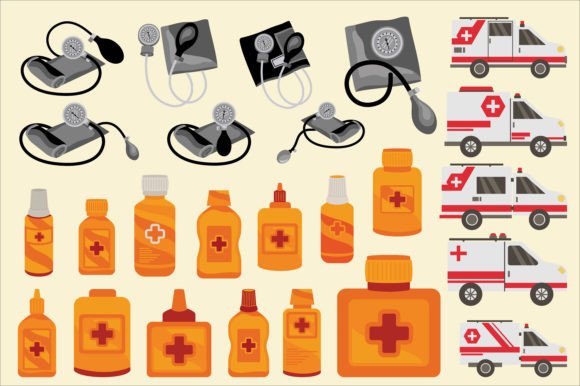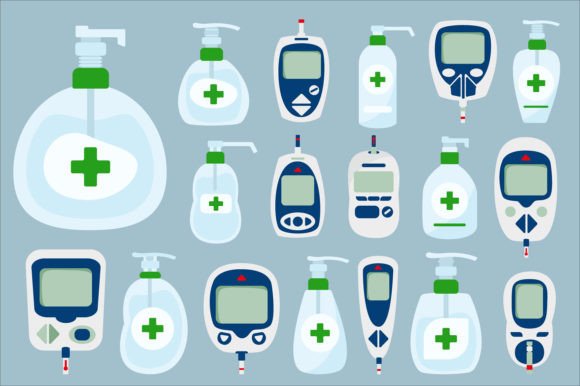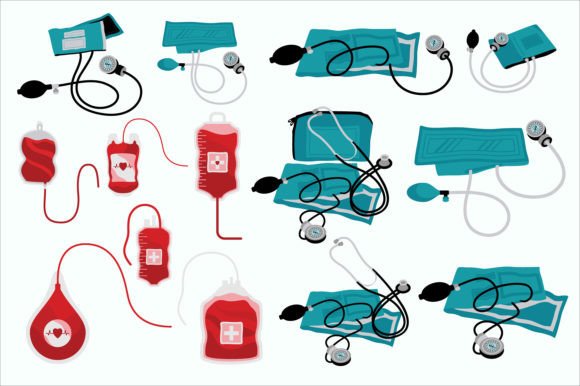
Set of Medical Collection
First Impressions: Clean, Calm, and Purposefully Understated
Opening Set of Medical Collection feels like stepping into a well-organized clinic—quiet confidence, no visual noise. These aren’t cartoonish stethoscopes or flashy red crosses. Instead, you get refined line work, balanced negative space, and motifs that lean into quiet professionalism: minimalist caduceus silhouettes, subtle heart-and-cross combinations, clean anatomical outlines (think simplified ribcage or brain profile), and softly rounded medical icons like pills, syringes, and EKG waveforms—all drawn with consistent stroke weight and intentional spacing. As an embroidery designer who’s stitched everything from neon festival patches to delicate baby onesies, I immediately sensed this set belongs in contexts where trust matters more than trendiness.
Real Project Test: A Nurse-Led Boutique’s Embroidered Tote Bag
Last week, I prepped a custom order for a local nurse-run wellness shop—ten cotton canvas tote bags, each embroidered with their logo plus a complementary icon from Set of Medical Collection. We chose the “gentle heartbeat line” motif: a single continuous curve rising and falling like a soft pulse, just 2.8 inches wide. It stitched cleanly on mid-weight canvas with tear-away stabilizer and 40-weight poly thread. No skipped stitches, no puckering—even at the gentle curve’s apex. Customers noticed it instantly: not as decoration, but as quiet affirmation. One buyer told me she carried it to her oncology appointment because “it felt grounding, not clinical.” That’s the quiet strength of this collection—it supports intention without shouting.
Where It Shines in Real Embroidery Work
- Custom apparel: Works beautifully on crewneck sweatshirts (especially chest placements), structured tote bags, and aprons—its moderate detail level reads clearly even at 3–4 inches wide.
- Baby embroidery: The softer icons (like the tiny cradle + heart or simplified DNA helix) translate well to onesies and burp cloths when scaled down to 1.5–2 inches—no dense fill stitch clusters to irritate sensitive skin.
- Embroidered patches: Several designs have clean outer edges and minimal interior detail—ideal for iron-on or sew-on patches meant for lab coats, backpacks, or volunteer vests.
- Holiday & gift embroidery: Paired with neutral thread (heather gray, navy, deep teal), these feel thoughtful—not gimmicky—for graduation gifts, retirement presents, or “thank you” items for healthcare workers.
- Digital product previews: As Illustrations, they scale crisply in printable mockups for Etsy listings or client proposals. Their vector-friendly simplicity holds up in both web and print formats.
Use With Care: Practical Limits You’ll Feel at the Hoop
This isn’t a one-size-fits-all embroidery file. Its calm aesthetic hides real technical considerations:
- Small hoop sizes (under 3 inches): Avoid the more intricate pieces—like the detailed cross-section anatomy sketch—unless you’re willing to simplify or resize manually. Tiny linework can vanish in satin stitch or blur on textured fabric.
- Stretchy or thin fabric: Designs with long running-stitch outlines (e.g., the EKG waveform) may ripple on knits or lightweight poplin without proper cut-away stabilizer and reduced tension.
- Dark fabric: Light-colored thread choices matter. A pale mint or warm beige reads warmly on charcoal; stark white can look clinical or harsh. Always test thread colors on your actual fabric.
- Curved surfaces (caps, curved pillow covers): Stick to compact, symmetrical icons—the circular caduceus or pill shape adapts better than horizontal line-based motifs.
- Frequent-wash items (tea towels, kids’ clothing): Avoid ultra-thin line details or tiny lettering (none included here—good call by the designer). Stick to medium-weight satin and fill stitches for longevity.
What It Adds to Your Finished Product—Beyond Stitch Count
Using Set of Medical Collection doesn’t just add imagery—it adds resonance. On a handmade apron for a holistic pharmacy, it signals expertise without jargon. On a personalized baby blanket, it whispers care—not diagnosis. For an Etsy seller listing digital embroidery files, it’s reliable, licensable Graphics that buyers recognize as versatile and respectful. It lifts perceived value: customers pay more for thoughtfully designed medical embroidery because it feels intentional, not generic. And yes—it builds trust. When a physical therapist sees a well-proportioned spine icon on your custom hoodie design, she doesn’t see clip art. She sees understanding.
Designer Notes You’ll Want Before Threading Your Needle
- Test Set of Medical Collection on scrap fabric first—especially if using textured weaves or blends.
- Check stitch density visually: dense fill areas should breathe, not feel plasticky. Adjust underlay or reduce density if needed.
- Confirm hoop size compatibility—some motifs are optimized for 4×4, others flow naturally in 5×7.
- Inspect small corners and curves at 200% zoom in your embroidery software—look for jagged vectors or unintended stitch overlaps.
- Preview in black-and-white mockups to assess contrast and legibility before finalizing thread palette.
- Compare how key icons read on both light and dark fabric backgrounds—you’ll likely need two thread palettes.
- Use appropriate stabilizer: tear-away for stable wovens, cut-away for knits or high-stretch items.
- Verify licensing terms—since it’s positioned for commercial use (logos, branding, digital scrapbooking), confirm whether resale of finished embroidered items is permitted.
If you’re stitching for purpose—not just pattern—Set of Medical Collection earns its place in your design assets. It’s not flashy. It doesn’t try to be. But in the hands of a thoughtful embroidery designer or craft business owner, it becomes something quietly essential: clarity, compassion, and craft—stitched true.