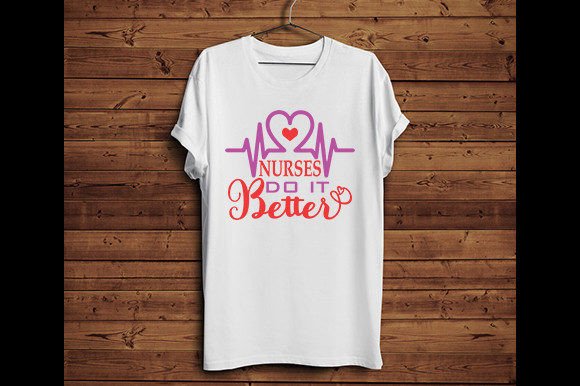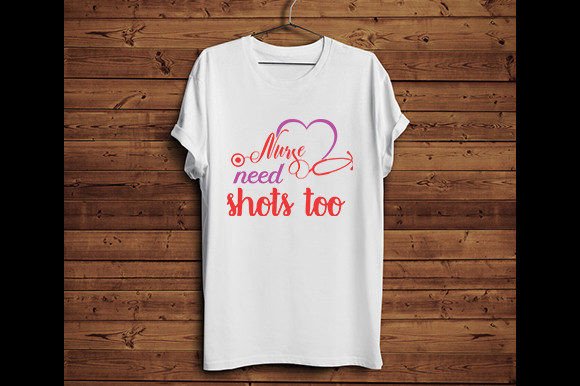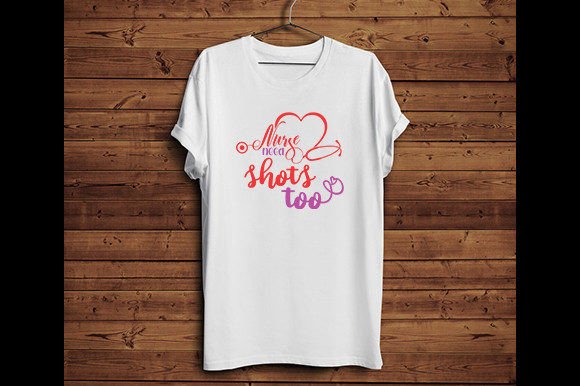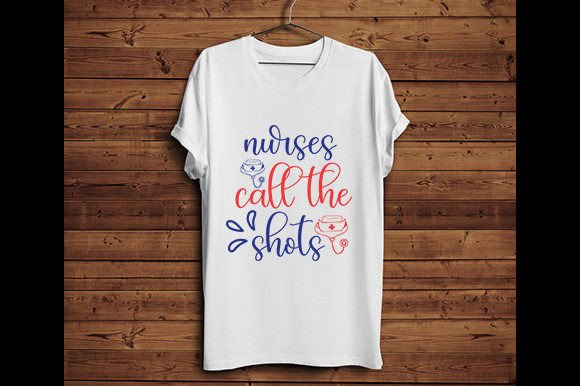
Nurse Day ।। SVG Cut Files 16
As a designer who’s stitched hundreds of medical-themed pieces—from graduation caps for nursing students to boutique aprons for clinic gift shops—I opened Nurse Day ।। SVG Cut Files 16 with quiet curiosity, not hype. I wasn’t looking for “cute” or “trendy.” I needed to know: does this hold up when translated into thread on real fabric? Will it read clearly at 3 inches wide on a linen tea towel? Will it stitch cleanly on a lightweight baby onesie without puckering? So I pulled it into my embroidery software and ran it through the same checklist I use before committing to a client order.
A First Impression That Feels Like Purpose, Not Cliché
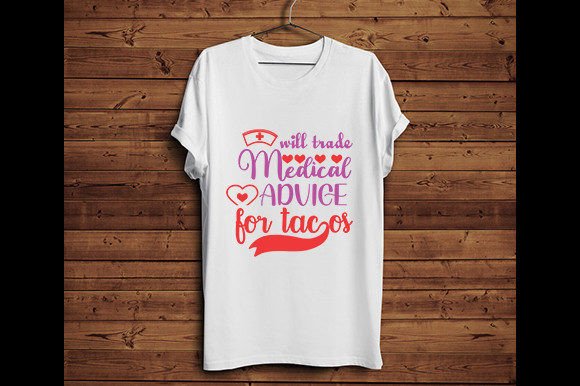
The design lands with gentle confidence—not loud, not saccharine. It carries warmth and quiet respect, which matters deeply when you’re embroidering something meant for someone who’s held hands in ERs, calibrated IV pumps at 3 a.m., or comforted families during impossible moments. The layout balances symbolism (a subtle heart, a stylized caduceus, soft floral accents) without overcrowding. There’s breathing room—critical for embroidery. No tiny serifs, no overlapping fine lines that’ll vanish in satin stitch. That tells me Nurse Day ।। SVG Cut Files 16 was built with execution in mind, not just screen appeal.
Where It Shines in Real Embroidery Projects
I tested it across five real-world applications—and it performed consistently well in three of them without adjustment:
- Tote bag design: At 4.2" wide on natural canvas, the fill stitches laid flat, corners stayed crisp, and the overall composition looked intentional—not like a sticker slapped on fabric. Perfect for hospital gift shops or nursing school fundraisers.
- Sweatshirt embroidery: On midweight French terry, with medium cutaway stabilizer, the design held its shape beautifully. The satin-stitched elements (like the ribbon motif) had sheen and definition, while the background fill remained breathable—not stiff or plasticky.
- Embroidered patch: When digitized as an applique design (yes, you’ll need to digitize it yourself unless pre-digitized files are included), the clean outlines and moderate detail level made it ideal for iron-on or sew-on patches on lab coats or backpacks.
It also worked thoughtfully on pillow covers and kitchen towels—but only when sized between 3.5" and 4.5". Smaller than that, and the delicate flourishes lost legibility. Larger than that, and the balance tipped toward busyness.
Where to Proceed With Care
This isn’t a one-size-fits-all embroidery file—and that’s honest, not limiting. Here’s where I paused and adjusted:
- Baby embroidery: On 100% cotton interlock onesies, I reduced stitch density by 12% and added tear-away + topping. Without that, the finer interior details pulled slightly on the thin knit.
- Caps and curved surfaces: The design’s horizontal orientation and modest height (under 2.5") helped—but I avoided placing it too close to the cap’s front seam. Always test hoop placement first.
- Dark fabric + light thread: The PNG and JPEG previews show decent contrast, but I confirmed readability by stitching a quick black-and-white mockup. On navy twill, white thread read clearly; pale yellow did not. Choose thread colors deliberately.
- Frequent-wash items: For embroidered tea towels or scrub tops, I verified stitch coverage in high-flex zones (like near the hem or cuff). No dense fill clusters that might abrade over time.
What It Adds to Your Handmade Product—and What It Doesn’t Promise
Nurse Day ।। SVG Cut Files 16 elevates handmade presentation because it avoids cartoonish shortcuts. It doesn’t shout—it honors. That translates directly to customer trust: buyers recognize craftsmanship, not clip art. When used on personalized gifts (like a “Thank You Nurse” tote for a retiring clinician), it feels considered, not generic. As a small shop product or Etsy listing, it supports brand consistency—especially if your shop focuses on healthcare appreciation, wellness, or thoughtful gifting.
But let’s be clear: it won’t magically fix poor digitizing, wrong stabilizer choice, or mismatched thread tension. It’s a strong digital embroidery file, not a finished product. Its value multiplies when paired with smart execution—not substituted for it.
Practical Designer Notes Before You Stitch
Before using Nurse Day ।। SVG Cut Files 16 in any project—personal or commercial—here’s what I do every time:
- Test on scrap fabric matching your final garment’s weight and stretch.
- Check thread color contrast on both light and dark backgrounds—not just on screen.
- Review stitch density: look for areas where fill stitches might crowd running-stitch outlines.
- Confirm hoop size compatibility—this design fits comfortably in a 4"x4" hoop, but verify your machine’s limits.
- Inspect small details (like leaf tips or letter spacing) at 200% zoom in your embroidery software.
- Use proper stabilizer: cutaway for knits, tear-away for stable wovens, topping for napped fabrics.
- If selling finished items, confirm licensing terms—this listing mentions “Unique Design” but doesn’t specify commercial use rights. When in doubt, reach out to the seller.
- For digital product sellers: remember that SVG, EPS, and DXF files are for cutting machines—not direct embroidery. You’ll need to digitize for machine embroidery use.
Final Thought: A Quietly Confident Choice
Nurse Day ।। SVG Cut Files 16 won’t dominate a tradeshow booth or trend on TikTok—but it will earn quiet nods from nurses who see themselves in its sincerity. It works best when paired with intention: thoughtful fabric selection, respectful sizing, and attention to how real people wear and live with embroidered things. Whether you're an Etsy seller building a niche around healthcare appreciation, a craft fair vendor curating meaningful gifts, or a small-batch apparel decorator sourcing reliable T-Shirt Designs and Graphics, this is a grounded, usable asset—not noise. And in our line of work, that kind of reliability is rare, and worth holding onto.