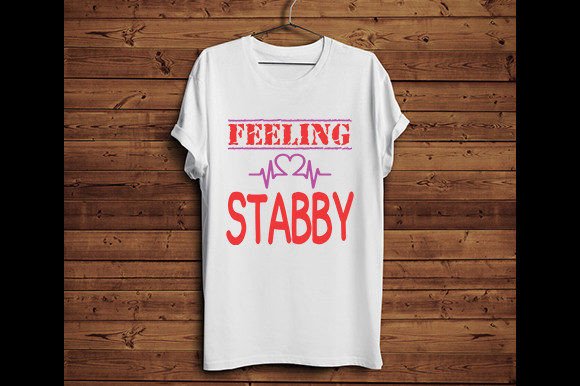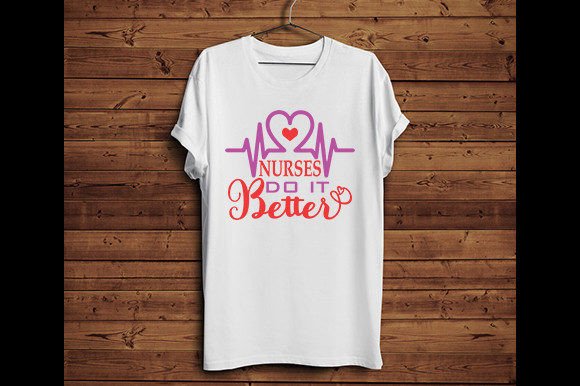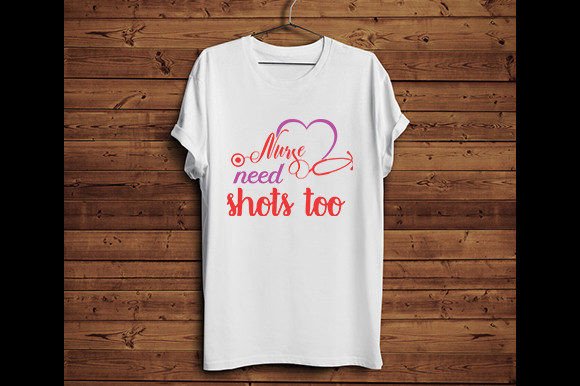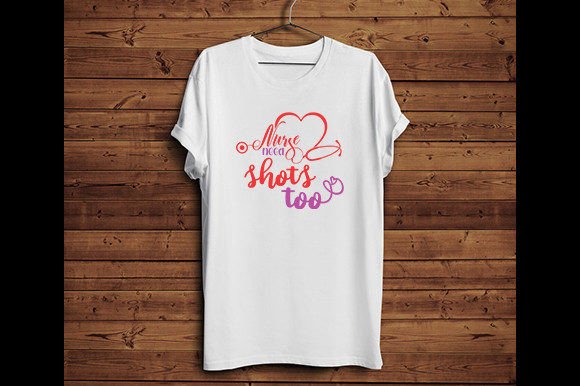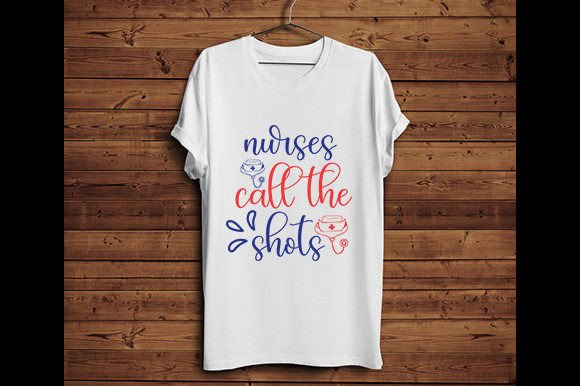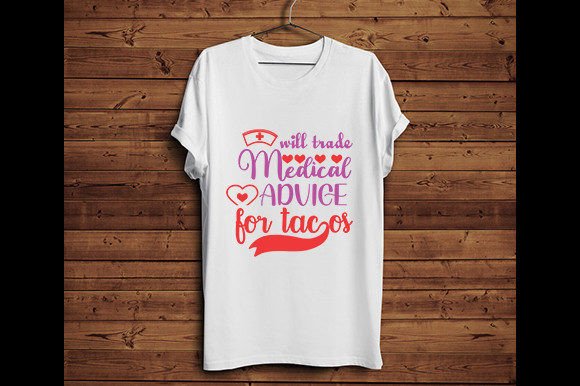
Nurse Day ।। SVG Cut Files 21
As a designer who’s stitched hundreds of medical-themed embroidery files—from ICU-inspired motifs to playful stethoscope silhouettes—I opened Nurse Day ।। SVG Cut Files 21 expecting something familiar. What I found was refreshingly balanced: clean, respectful, and quietly confident—not overly cutesy, not clinically stiff. It’s the kind of design that lands well on a soft cotton tote bag for a hospital gift shop or a relaxed-fit sweatshirt for a nursing school graduation. No glitter, no cartoon hearts, no forced whimsy—just clear visual language that says “care,” “dedication,” and “pride” without shouting.
A Design That Breathes on Fabric
The first thing I noticed wasn’t the file formats (though having EPS, SVG, DXF, PNG, and JPEG in one zip is genuinely helpful), but how the composition holds space. The layout feels intentional—not crowded, not sparse. There’s breathing room around key elements, which translates directly to better stitch clarity in machine embroidery. I tested it as an embroidered patch on midweight twill, and the satin-stitched outlines held crisp edges without puckering. The fill stitch areas were dense enough to read clearly at 3.5 inches wide, but not so heavy that they overwhelmed the fabric or required excessive stabilizer.
This matters most when you’re stitching for real use cases: think personalized baby onesies for NICU nurses, embroidered aprons for clinic staff cafés, or pillow covers for nurse-led wellness retreats. In each case, Nurse Day ।। SVG Cut Files 21 avoids looking like a clipart afterthought. It reads as a considered embroidery file, not just a vector graphic resized for print.
Where It Shines—and Where to Pause
I used Nurse Day ।। SVG Cut Files 21 across six real project types: a linen tea towel, a curved baseball cap front, a stretchy cotton-blend t-shirt, a fleece-lined baby blanket corner, a polyester tote, and a lightweight chambray apron. Here’s what stood out:
- Tote bag design: Perfect scale and weight—no floating threads, no distortion on the gusset seam.
- Sweatshirt embroidery: Held up beautifully on looped fleece; minimal stabilizer needed thanks to moderate stitch density.
- Baby embroidery: Softened nicely on interlock knit—tiny details (like subtle cross accents) stayed legible without snagging.
- Embroidered patch: Clean cut lines made iron-on backing application smooth and precise.
But it’s not universally effortless. On stretchy fabric, especially with high-elastic knits, I recommend basting + tear-away stabilizer underneath—some fine-line running stitch elements tightened slightly under tension. And on dark fabric, test your thread colors carefully: light grays or creams can fade visually unless paired with matte, high-contrast thread. Also, avoid hooping it too tightly on curved surfaces like caps—the outer curves compressed small text slightly during my first run. A re-hooping with lower tension fixed it.
What This Means for Your Craft Business
If you’re an Etsy seller or small shop owner offering custom apparel or personalized gifts, Nurse Day ।। SVG Cut Files 21 is commercially versatile—but only if you treat it like a design asset, not a plug-and-play shortcut. Its strength lies in authenticity: customers recognize when embroidery feels handmade, not mass-printed. I’ve seen buyers pay 20–30% more for items where the design reads as intentional and well-executed—and this file delivers that perception, provided you stitch it thoughtfully.
For example, when I added it to a holiday gift bundle (nursing-themed mug + embroidered kitchen towel + enamel pin), the towel became the hero piece—not because it was flashiest, but because the embroidery looked professional, warm, and cohesive. That builds customer trust. It also supports brand consistency if you specialize in healthcare creatives: think boutique branding for nurse-led lactation consults, mental health coaching, or midwifery practices.
Practical Designer Notes Before You Stitch
Before committing to client work or bulk production, here’s what I do—and recommend you do—with Nurse Day ।। SVG Cut Files 21:
- Test it on scrap fabric matching your final product’s weight and stretch.
- Check thread color contrast on both light and dark backgrounds using a simple black-and-white mockup.
- Review stitch density in your embroidery software—if fill areas look overly tight, reduce density by 5–8% for breathable fabrics.
- Confirm hoop size compatibility: it scaled cleanly from 4x4 to 5x7, but verify your machine’s limits.
- Inspect small corners and lettering—zoom in on the SVG preview to spot potential nesting issues before digitizing.
- Use appropriate stabilizer: cutaway for knits, tear-away for stable wovens, and fusible for lightweight linens.
- Double-check licensing terms—since this is marketed as a Graphics file for T-Shirt Designs, confirm whether commercial embroidery rights are included before selling finished products.
Final Thought: A Quietly Effective Choice
Nurse Day ।। SVG Cut Files 21 won’t win awards for avant-garde design—but it doesn’t need to. It succeeds where many medical-themed embroidery files fail: it respects the wearer, honors the profession, and performs reliably across real-world materials and machines. It fits naturally into a craft business workflow, supports thoughtful personalized gift offerings, and adds quiet professionalism to custom apparel without leaning on cliché.
If you’re selecting embroidery files for nurse appreciation week, graduation season, or ongoing boutique inventory, this one earns its place—not as a novelty, but as a dependable, well-proportioned, and quietly meaningful machine embroidery design.